 Training Solutions
 Marine Solutions
 Powerboat School
 Boat Charters


Marine Electrics – Level 1 Fundamentals, Maintenance & Basic Fault Finding
Take your marine electrical knowledge further with this practical one-day course exploring advanced electrical systems, power generation, battery management and circuit design.
Building on Level 1, you’ll learn how different electrical components work together, how to manage multiple power sources and how to design, assemble and test basic marine electrical circuits.
Ideal for boat owners, experienced skippers, crew and marine maintenance personnel looking to develop their technical knowledge and practical skills.
Course Objectives- Understanding 12V and 24V series and parallel circuits
- Cable sizing, electrical loads and voltage-drop calculations
- Inverters, transformers, rectifiers and power conversion
- Alternators, split charging and battery management systems
- Solar, wind, hydro and auxiliary power generation
- Electrical sensors, switches, relays and solenoids
- Electronic engine starting systems
- Testing and understanding electrical water-heating systems
- Battery selection, monitoring and charging arrangements
- Bonding, galvanic corrosion and galvanic isolation
- Introduction to three-phase electrical systems
- Practical circuit construction, testing and fault finding
-
Why Take This Course?
Modern vessels rely on increasingly complex electrical systems, from solar charging and battery management to inverters and electronic controls.
Understanding how these systems operate can help you make better decisions when maintaining, upgrading or troubleshooting your vessel.
Through practical exercises and demonstrations, this course develops your ability to understand electrical installations, identify faults and manage onboard power systems more effectively.
Course Content
Electrical Fundamentals & Safety
- Basic AC and DC electrical principles
- Electrical safety, isolation and personal protective equipment (PPE)
Marine Electrical Circuits & Components
- Understanding 12V circuit diagrams
- Fuses, cables, switches and connectors
- Basic electrical protection
Batteries & Power Management
- Battery types, testing and maintenance
- Battery charging systems and common faults
- Managing onboard electrical consumption
Practical Electrical Skills
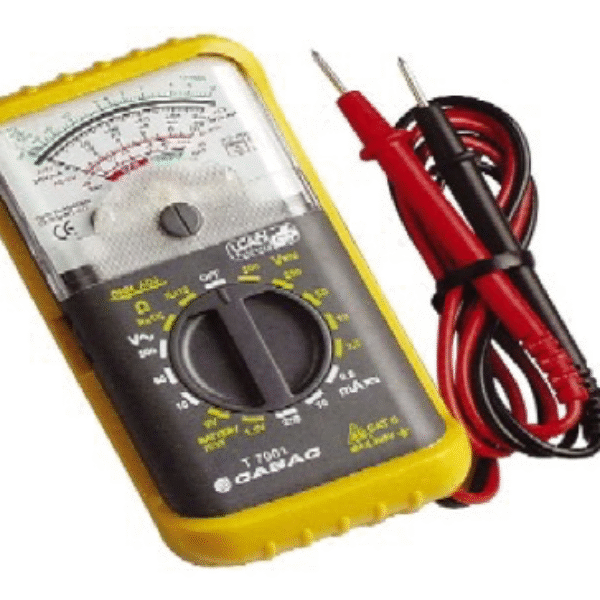
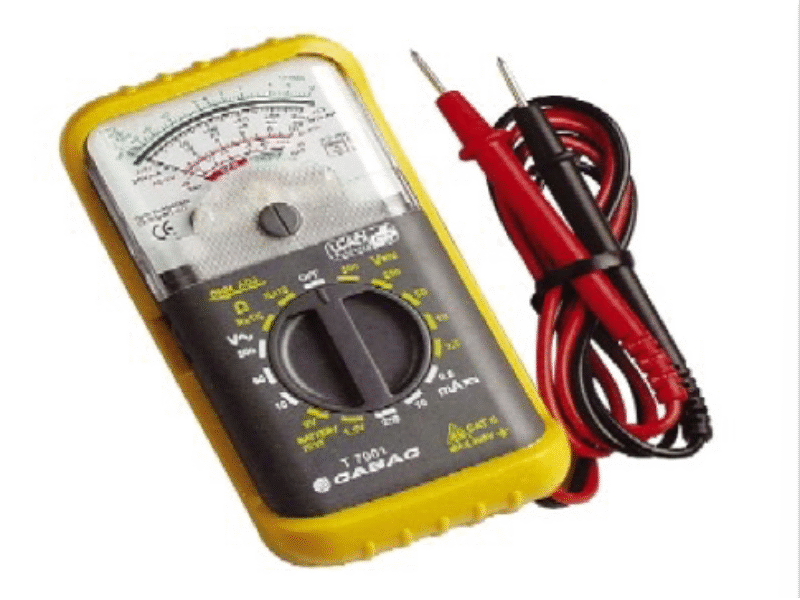
- Using a multimeter for testing and diagnostics
- Crimping, soldering and cable routing
- Basic electrical connections and repairs
Fault Finding & Diagnostics
- Identifying common electrical faults
- Troubleshooting lighting, batteries and charging systems
Shore Power & Lightning Protection
- Safe shore-power connections and basic fault awareness
- Understanding lightning risks and vessel protection


