 Training Solutions
 Marine Solutions
 Powerboat School
 Boat Charters


Marine Electrics Level 2 – Advanced Systems & Power Management Training Course
Take your marine electrical knowledge further with this practical one-day course exploring advanced electrical systems, power generation, battery management and circuit design.
Building on Level 1, you’ll learn how different electrical components work together, how to manage multiple power sources and how to design, assemble and test basic marine electrical circuits.
Ideal for boat owners, experienced skippers, crew and marine maintenance personnel looking to develop their technical knowledge and practical skills.
Course Objectives- Understanding 12V and 24V series and parallel circuits
- Cable sizing, electrical loads and voltage-drop calculations
- Inverters, transformers, rectifiers and power conversion
- Alternators, split charging and battery management systems
- Solar, wind, hydro and auxiliary power generation
- Electrical sensors, switches, relays and solenoids
- Electronic engine starting systems
- Testing and understanding electrical water-heating systems
- Battery selection, monitoring and charging arrangements
- Bonding, galvanic corrosion and galvanic isolation
- Introduction to three-phase electrical systems
- Practical circuit construction, testing and fault finding
-
Modern vessels rely on increasingly complex electrical systems, from solar charging and battery management to inverters and electronic controls.
Understanding how these systems operate can help you make better decisions when maintaining, upgrading or troubleshooting your vessel.
Through practical exercises and demonstrations, this course develops your ability to understand electrical installations, identify faults and manage onboard power systems more effectively.
Recommended entry: Marine Electrics Level 1 or equivalent electrical knowledge.
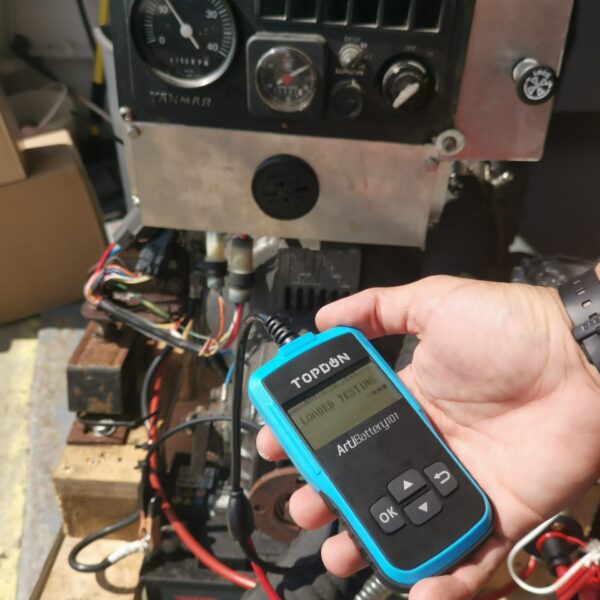
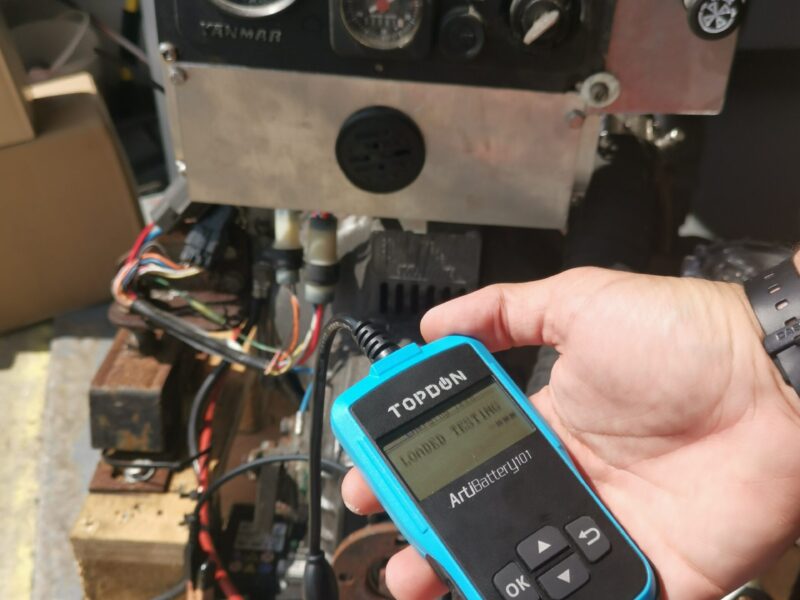
Course Content
Advanced Electrical Circuits
- Understanding 12V and 24V electrical systems, including series and parallel circuits
- Calculating electrical loads, cable sizes and voltage drop
- Designing circuits and selecting suitable electrical protection
Power Conversion Systems
- Understanding how inverters, transformers and rectifiers work
- Converting between AC and DC power on board
- Identifying common faults in power conversion equipment
Charging & Auxiliary Power Generation
- Understanding alternators and split-charging systems
- Solar, wind and hydro power generation and their applications
- Understanding generators and alternative onboard power supplies
Marine Batteries & Charging Systems
- Selecting suitable batteries and charging arrangements
- Understanding battery monitoring and management systems (BMS)
- Using DC-DC chargers and managing multiple charging sources
Electrical Controls & Engine Systems
- Understanding sensors, switches, relays and solenoids
- Identifying and testing electrical components used in engine starting systems
- Understanding electrical water-heating systems and common faults
Bonding & Electrical Protection
- Understanding electrical bonding and galvanic corrosion
- The purpose of galvanic isolators and sacrificial anodes
- Identifying common electrical protection problems on board
Practical Circuit Construction & Fault Finding
- Building and testing a marine battery charging circuit
- Connecting and testing electrical components and protective devices
- Using a multimeter to diagnose faults in more complex circuits
- Identifying and resolving common charging and electrical system problems


