Training Solutions
 Marine Solutions
 Powerboat School
 Boat Charters

12V Electrical Training Course
Our 2 day 12V Electrical Training Course is designed to provide a practical, hands-on understanding of how to maintain and troubleshoot onboard DC electrical systems. Whether you’re at sea or alongside, this course gives you the confidence to identify and resolve common electrical issues, potentially saving you time and money.
The course is highly interactive and hands-on, giving students the chance to work with real systems, tools, and fault-finding scenarios.
Course Objectives- Understand the principles of AC and DC electrical systems
- Confidently read and interpret 12V circuit diagrams
- Identify and select appropriate fuses, cables, and connectors
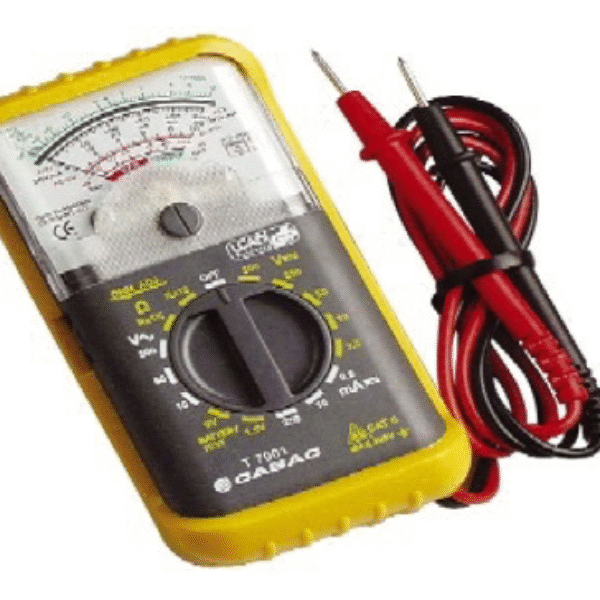
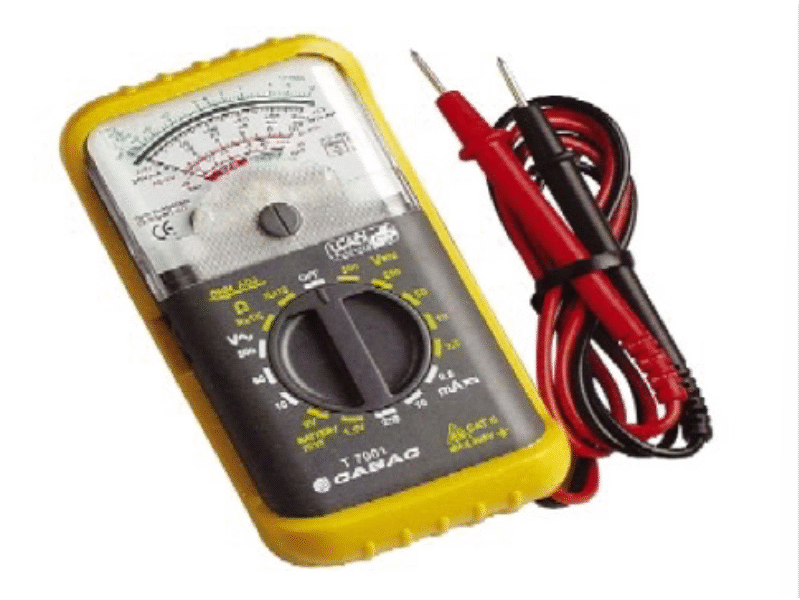
- Use a multimeter for diagnostics and fault finding
- Perform basic electrical tasks such as crimping, soldering, and cable routing
- Diagnose and resolve common electrical faults in lighting, batteries, and charging systems
- Make informed decisions when selecting or maintaining batteries and power sources
- Implement protective measures like bonding and galvanic isolation on vessels
- Avoid Expensive Repairs: Learn to solve problems yourself rather than relying on marine electricians
- Improve Onboard Safety: Reduce the risk of electrical fires or system failures through proper installation and maintenance
- Boost Confidence: Gain practical experience using real tools and equipment
- Be More Self-Reliant at Sea: Essential for cruising sailors, liveaboards, and long-distance voyagers
- Cross-Applicable Knowledge: Useful not just for boats, but also for campervan and caravan electrical systems
- Suitable for All Experience Levels: Starts from the basics and builds up—no prior electrical knowledge required
Course Content
Housekeeping & Safety
- Workshop safety and tool use
- Essential tools and materials
- Dangers of electricity: AC vs. DC
- Isolation procedures and safety protocols
Electrical Fundamentals
- How electricity is generated
- Understanding Ohm’s Law (voltage, current, resistance)
- Common electrical symbols and diagram reading
- AC vs. DC power: key differences and applications
Battery Systems
- Types of batteries and appropriate use
- Battery hazards and safe handling
- Battery maintenance and care
- Charging methods and systems (shore power, alternator, solar, wind)
- Testing battery health and performance
- Connecting batteries in series and parallel
- Battery monitoring systems
Circuits & Wiring
- Cable selection: size, insulation, and rating
- Electrical circuit design and layout
- Creating and testing circuits
- Distribution panels: layout and function
- Circuit protection: fuses, breakers, isolators
- Relays and their applications
Alternative Energy
- Introduction to renewable energy systems on board
- Solar, wind, and hybrid charging integration
AC Power Systems
- How AC power is generated
- AC vs. DC onboard systems
- Transformers, inverters, and rectifiers explained
- Single-phase and three-phase AC circuits
- AC circuit protection and distribution
- Synchronising generators
- Overview of shipboard electrical distribution systems
Engine Electrical Systems
- Ignition systems overview
- Electrical systems in spark ignition (SI) engines
- Fuel systems and electrical integration
Marine-Specific Considerations
- Corrosion and galvanic protection
- Bonding and grounding
- Safe and efficient electrical practices on watercraft